canned food process validation
Canned Food Process Validation: Fruit, Veg & Soup
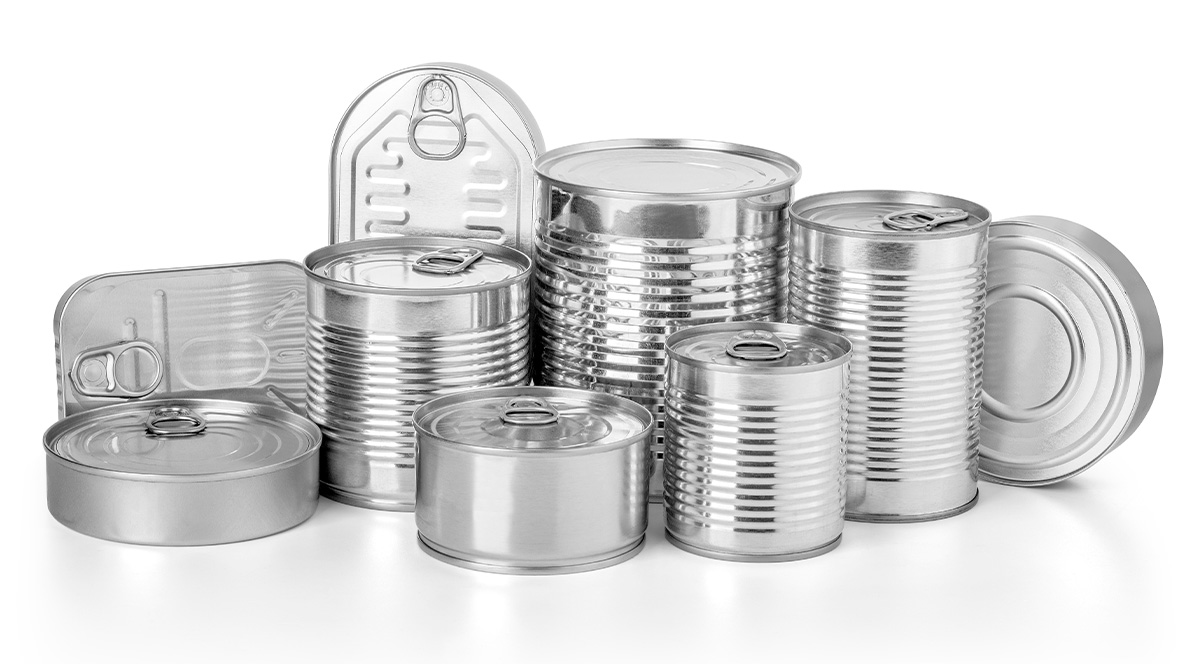
Canned Food Process Validation: Fruit in Syrup, Vegetables in Brine and Soup with Particulates
At a glance
- Clients: food manufacturers canning and jarring fruit, vegetables and soups (anonymised, drawn from several projects)
- Products: fruit in sugar syrup, vegetables in brine, soups with mixed particulates
- Challenge: finding the true cold spot in packs full of floating pieces, and delivering a safe process without cooking out colour, texture and flavour
- Method: temperature distribution and heat penetration studies across static, rotary and continuous equipment
- TasteBond's role: thermal process design, validation and product quality optimisation
Summary
Fruit in syrup, vegetables in brine and soups with chunks share one problem: solid pieces floating in a liquid, sealed in a can or jar, that need enough heat to be safe and not so much that they turn to mush. This case study draws on several canned food process validation projects covering all three. The work centred on finding where each pack heats slowest, then building a process that is safe at that point and no harsher than it needs to be anywhere else.
The challenge: three products, three ways of heating
On paper these are simple products. In a retort they behave very differently.
Fruit in syrup
Most fruits are acidic, below pH 4.6, so Clostridium botulinum is not the target. The process needs to control yeasts, moulds and heat-resistant spoilage organisms, and inactivate the enzymes behind browning. The quality risk is overprocessing: soft fruit, dulled colour and a cooked, jammy flavour. Syrup adds its own variable. Sugar moves into the fruit and water moves out until the two reach equilibrium, so the syrup strength at filling is not the strength the customer tastes.
Vegetables in brine
Most vegetables are low-acid, above pH 4.6, which means a full botulinum cook: a minimum F0 of 3 minutes at the slowest-heating point. Green vegetables lose colour under that much heat, and anything delicate breaks down. The margin between safe and overcooked is narrow.
Soups with mixed particulates
Soup is the hardest of the three. Pieces of different size and density float, sink or clump together, and starch-thickened bases can switch from convection to conduction heating partway through the process as they thicken. The slowest-heating point can move, and it is often inside the largest particle rather than in the liquid.
Our approach to canned food process validation
Start with the product, not the retort
Every validation started with the product: pH, the size, shape and density of each particulate, fill and drained weights, headspace, and the viscosity of the brine, syrup or soup base. Those factors decide how the pack heats and what the process has to achieve.
Temperature distribution: the retort's cold spot
Before testing the product, temperature distribution studies mapped the retort itself to find the slowest-heating position in a fully loaded vessel. Heat penetration testing then takes place in that position.
Heat penetration: the pack's cold spot
Thermocouples went into the liquid and inside the largest, slowest-heating particles. Convection-heating packs, like fruit in a thin syrup, have a cold spot low on the vertical axis of the container. Conduction-heating products and dense particulates have theirs at the geometric centre. Testing ran at worst case: maximum fill weight, largest pieces and lowest initial temperature. The scheduled process then covers every can on the line, not just the average one.
Matching the heating method to the product
The same product can need very different process times depending on the equipment.
- Static batch retorts: steam, water immersion or water spray. Flexible and straightforward, but slow to heat dense or conduction-heating packs.
- Rotary and agitating retorts: rotating the container moves the headspace bubble through the product, mixing it and cutting process time. This is often the difference between a vegetable that keeps its colour and one that does not. Headspace control becomes critical.
- Continuous systems: hydrostatic and reel-and-spiral cookers. High throughput for established lines, with less flexibility for product changes.
Choosing between them, or setting a process for whichever one the manufacturer already runs, is part of the validation.
Protecting quality inside the safe process
Once the safe process was defined, the work moved to quality.
- Blanching vegetables to drive out air and enzymes and set colour before filling
- Calcium firming agents to help pieces hold their shape
- Syrup strength set for the equilibrium the customer actually tastes
- Fill weight and headspace limits on the line, so production stays inside the conditions the process was validated for
What was delivered
- Temperature distribution and heat penetration data for each product and retort
- Scheduled processes with F0 or pasteurisation values calculated at the confirmed cold spot
- Critical factors for each product, such as maximum fill weight, particle size and minimum initial temperature, written into production controls
- Recommendations on equipment and heating method
- Adjustments to colour, texture and flavour within the validated process
The results
- Processes that deliver the required lethality at the true cold spot, documented and defensible to retailers and auditors
- Shorter process times where agitation or better heat transfer allowed it, with better colour and texture as a result
- Clear critical limits, so production knows exactly what counts as a deviation
- Products that look and taste closer to fresh than customers expect from a can
Is canning due a revamp?
Canning has an image problem. For a lot of people it means peaches in heavy syrup and a tin of soup at the back of the cupboard. That is changing. Premium tinned fish has shown that consumers will pay for quality in a can, and ambient packs suit how people want to shop: no cold chain, long shelf life, less food waste, recyclable packaging, and produce preserved at its peak rather than shipped out of season.
The technology has moved on too. Agitating retorts, better process modelling and tighter validation mean a modern process can be far gentler than the one behind the stereotype. Brands now have room to put fresher, better-flavoured products into cans and jars, and the process is what makes that possible.
Canning and heat penetration FAQs
What is the cold spot in canning?
The cold spot is the point in a can or jar that heats slowest during processing. In convection-heating products, such as thin syrups and brines, it sits low on the vertical axis of the container. In conduction-heating products, such as thick soups, it sits near the geometric centre. With particulates, it is often inside the largest piece. The process has to deliver the required lethality at that point.
What F0 value do low-acid canned foods need?
Low-acid foods, above pH 4.6, need a minimum F0 of 3 minutes to achieve a botulinum cook. Commercial processes often run higher to control heat-resistant spoilage organisms. The right value depends on the product, its spoilage risks and the pack.
What is the difference between temperature distribution and heat penetration studies?
A temperature distribution study maps the retort to find where it heats slowest when fully loaded. A heat penetration study measures how fast the product heats at its own cold spot, with containers placed in that slowest position. Together they set the scheduled process.
Do canned fruits need the same heat process as canned vegetables?
No. Most fruits are acidic, below pH 4.6, so they need a pasteurisation process aimed at yeasts, moulds and enzymes rather than a full botulinum cook. Most vegetables are low-acid and need full sterilisation, which is why canned vegetables are harder to keep looking fresh.
About TasteBond
TasteBond is a UK food and drink consultancy based in the Cotswolds, run by Connor Bond. Connor's background runs from Michelin-level kitchens to food manufacturing and thermal processing at Campden BRI. TasteBond covers new product development, thermal process validation, shelf-life work and HACCP for food and drink brands and manufacturers across the UK.
Planning a canned or jarred product?
Whether you are launching a new canned range or reviewing an existing process, book a discovery call to talk through your product, your equipment and where the process could be working harder for quality.
Email us at: connor.bond@tastebond.co.uk
Or use our quick enquiry form here. We look forward to hearing from you!