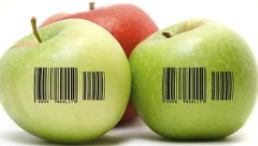
One of the biggest food stories right now has nothing to do with a new product launch or a trending flavour. It's about what's printed on the back of a sausage packet. Tesco has become the first UK supermarket to replace traditional barcodes with QR codes across an entire product range, starting with its own-label sausages.
The rollout covers 13 lines — Pork Chipolatas, Cumberland, Lincolnshire and more — made with supplier Cranswick. The traditional barcode has been on British supermarket shelves since 1979. It first appeared on a box of teabags in Spalding, Lincolnshire. Nearly 50 years later, Tesco has become the first UK grocer to drop it entirely across a full product range.
GS1, the organisation behind barcode standards, wants the full industry to make the switch by 2027. For shoppers at the till, nothing changes. But behind the scenes, this is a big deal.
This is something we welcome. During a university project researching Tesco steaks, the farm name on the label turned out to be a company that was very hard to trace. It looked like a real farm. It had a name designed to sound local and trustworthy. But dig into it and there was very little behind it. It was more of a marketing label than a real place.
That's the problem with food labelling. Shoppers are given just enough to feel comfortable, but not enough to actually verify anything. Where was it raised? How far did it travel? QR codes linked to proper traceability — and eventually blockchain records — could change that. Every step of the journey verifiable, not just a farm name chosen for how it sounds.
The technology is there. The honesty part is still up to them.