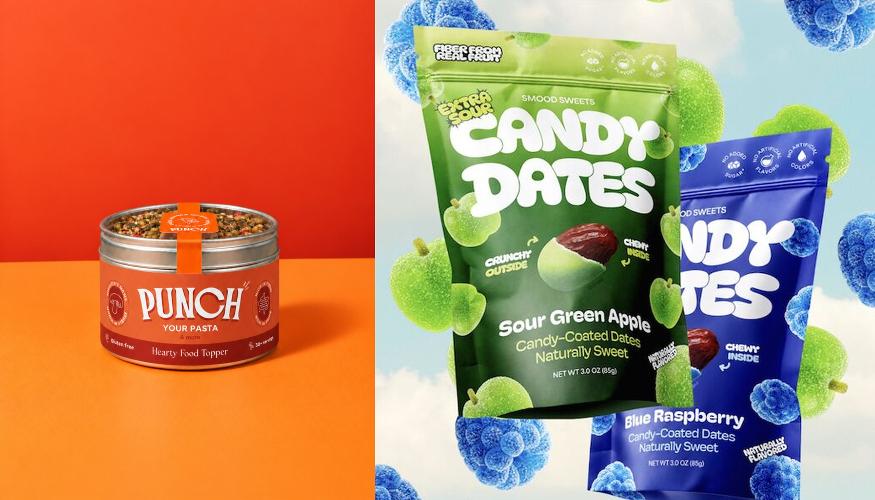
Two shifts are running side by side in food right now. Ingredients that used to sit in the supplement aisle are moving into everyday meals and snacks. At the same time, wholesome foods are taking on the look and feel of confectionery. Both use health as the hook, but they travel in opposite directions.
Why are supplement ingredients moving into everyday food?
Lion's mane is a clear example. Once sold mainly as capsules and powders, it now appears in everyday products. PUNCH Your Food has added it to a savoury pasta topper. Lion's Brain crisps pair lion's mane extract with added zinc. Urban Farm-Produce sells UK-grown lion's mane as ready-to-cook steaks and mince. Sports nutrition is moving in a similar way, with MyProtein partnering Caffè Nero on a protein matcha.
The appeal is simple. Shoppers get a familiar format with an added benefit. The challenge sits in the detail. Lion's mane holds no authorised health claim in the UK, while zinc does, as it contributes to normal cognitive function. That is why some products pair the two. Developers also need to consider dose per serving and how a functional ingredient holds up in frying, baking or a shelf-stable blend.
Why are dates being turned into candy?
Dates are moving the other way. In the US, Smood Sweets has added Sour Green Apple and Blue Raspberry to its Candy Dates range: whole dates in a crunchy, plant-based shell, sold with no added sugar and rolling out to around 1,900 Target stores. In the UK, Forest Feast has built a strong line in chocolate-coated dates, including pistachio and salted caramel versions.
Here the fruit stays whole and recognisable, while the colour, crunch and flavour come from the sweet aisle. Coating a soft, high-moisture fruit is a technical brief in its own right. Moisture can migrate into the shell, so keeping it crisp across shelf life takes work. Claims need care too. Dates are naturally high in sugar, and a “no added sugars” claim in the UK has specific conditions.
Is food doing more, or are treats looking healthier?
One trend asks everyday food to do more. The other makes treats look healthier. Both rely on the same shopper interest in health, and which approach lasts is still unresolved.
Frequently asked questions
What is lion's mane used for in food?
Lion's mane is a mushroom with a long history in Asian cooking. In the UK it now appears in pasta toppers, crisps and ready-to-cook steaks and mince. It is associated with focus and memory, but holds no authorised health claim in the UK.
Can lion's mane products make health claims in the UK?
Only authorised health claims can be used on pack. Some brands pair lion's mane with zinc, which carries an authorised claim for contributing to normal cognitive function.
What are candy dates?
Candy dates are whole pitted dates coated in a crunchy, flavoured shell. US brands selling them include Smood Sweets and True Dates.
Can a candy-coated date claim “no added sugar” in the UK?
Only if no sugars or other ingredients used for sweetness have been added, and that includes the coating. Natural sugar in the fruit itself is allowed.
Where TasteBond fits
Both shifts come down to the same fundamentals: formulation, processing, shelf life and what can legally go on the label. TasteBond supports food businesses with NPD, recipe scaling, benchmarking and technical validation. If you are developing a product in this space, get in touch with TasteBond or email connor.bond@tastebond.co.uk.