
Lab-grown meat, edible insects and even 3D-printed chocolate might not sound like typical dinner choices, but they're closer to reality than many of us think. The Food Standards Agency has been looking at a wave of food technologies and some are already going through safety assessments to see if they're ready for supermarkets.
The science is moving fast. The real question is: Will any of this catch on? From farms to laboratories one of the most talked-about developments is meat grown from animal cells in labs.
Instead of raising animals in fields, tiny samples of cells are used to grow foods like steak, chicken or even foie gras in controlled environments. Supporters say this could ease pressure on farmland and cut emissions. Others still think it sounds a little too "sci-fi" for their dinner plate.
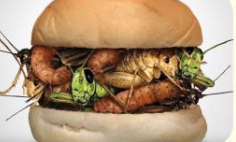
Insects as a protein source: Insects are gaining attention as an alternative protein. They're already being sold in the UK, often in powdered form for foods like snack bars. However, their proteins can resemble shellfish, meaning people with shellfish allergies need to be cautious, which is why ongoing safety checks are essential.
Indoor and vertical farming: Vertical farming involves growing crops like lettuce indoors using controlled light and nutrients. It allows fresh produce to be grown year-round, often closer to cities. While not always noticeable to shoppers, it's steadily transforming how food is produced.
What it all means: New foods must pass strict safety checks, covering allergens, contamination, and long-term health effects. The real challenge isn't just creating new food, but ensuring people trust it enough to eat it.